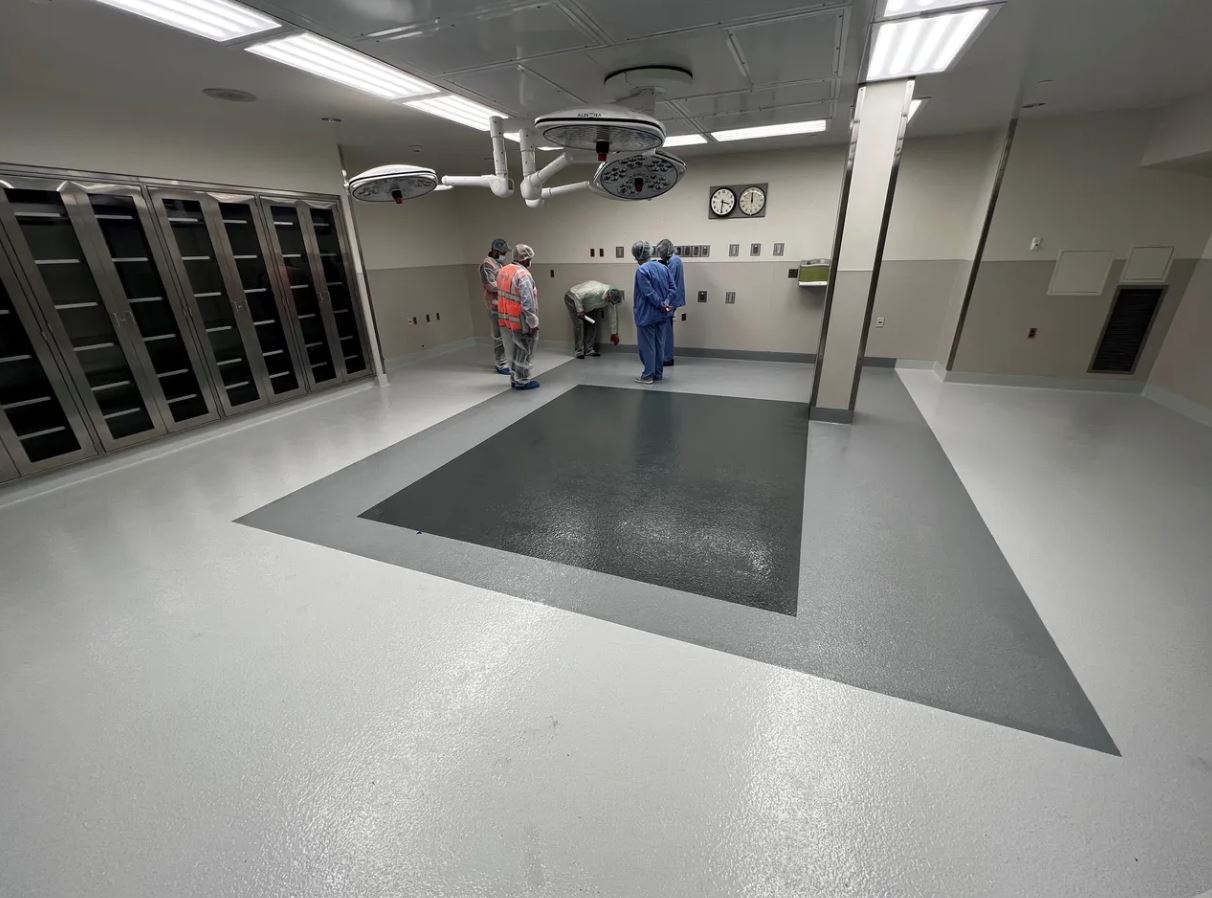
Concrete grinding and honing make concrete floors look great. They create smooth, reflective finishes ideal for homes, showrooms, and warehouses in Denver.
How does it work? Grinding comes first. It uses progressively finer grits to level imperfections, remove old coatings, and prep the surface. Then, honing refines the surface, making it smooth and bringing out the shine.
But there's more. After grinding and honing, we densify the concrete. A chemical hardener makes the concrete stronger and more resistant to wear. Finally, we apply a sealer. This controls dust and boosts the shine.
Why do this? Trying to find a reliable Flooring Contractor in Denver residents depend on for durable floor coatings.. Polished concrete is very durable. It handles heavy traffic without scratches. Also, it's easy to care for. Sweep and mop, and you're done. Plus, it saves money because you avoid replacing carpets or other flooring. And it looks great, offering an industrial floor with natural beauty.
Polished concrete is more than just a shiny surface. We must consider actual performance standards. These include gloss levels, which measure surface reflectivity. Slip resistance is also key for safety, especially in commercial spaces. Abrasion resistance determines how well the floor withstands wear.
These key performance indicators aren't one-size-fits-all. The right standards for a Denver home differ greatly from those for a busy warehouse.
For homes, you might want high gloss and a smooth feel. In a commercial space, slip resistance and durability are more important. Industrial spaces need floors that can handle heavy machinery and constant use.
What happens if you get these standards wrong? A slippery floor can be a safety risk. A floor that scratches easily will look bad and cost more to maintain. Defining the right performance goals early on matters.
Concrete grinding refines the floor surface with diamond abrasives. The first grind is most aggressive. It removes flaws, coatings, or damage. Later grinds use finer grits to lessen scratches. This goes on until you get the aggregate exposure and smoothness you want. Skipping steps or using the wrong grits can cause scratches and an uneven finish. Fixing that costs more.
Honing comes after grinding. It refines the concrete surface more. Very fine pads make a smooth, matte, or satin finish. Honing usually doesn’t expose more aggregate. It makes the surface clearer and more reflective. A honed floor has few visible scratches and a consistent sheen. Many Denver homeowners like the elegance honing adds, mostly in living areas.
How much aggregate shows is key to how a polished concrete floor looks. Cream exposure shows only the top layer of the concrete. This makes a minimal, uniform look. Salt and pepper exposure shows small pieces of aggregate. This makes a speckled effect. Full aggregate exposure shows a lot of the stone. This makes a more textured surface. What level you want depends on the design and how you will use the space.
Scratch refinement matters for a good polished concrete finish. Each step leaves tiny scratches. The goal is to make these scratches smaller until you can’t see them. This takes care and the right abrasives. Poor scratch refinement makes the surface look dull, even after sealing. Denver showrooms often want high scratch refinement for a great look.
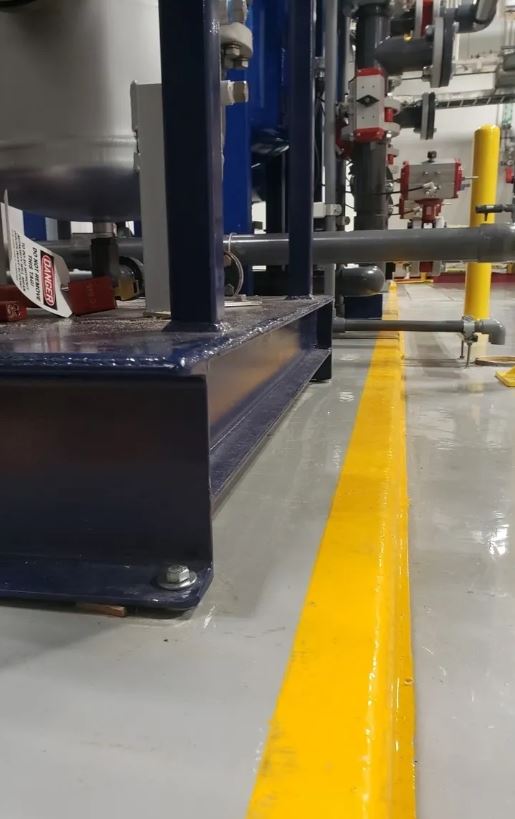
How smooth the surface is affects how a polished concrete floor looks and works. A smooth surface is easier to clean. Dirt has fewer places to go. It also makes the floor more reflective. This makes a brighter space. To get good smoothness, you need good grinding, honing, and polishing. If the surface isn't smooth enough, sealers won't go on evenly. The floor might not shine as much as you want.
Polished concrete makes a great floor for homes, showrooms, and warehouses. We grind the concrete, hone it until smooth, and then densify it. This makes a smooth, reflective surface. Think of it as sanding concrete.
After that, we apply a sealer. This keeps dust down and gives the floor a nice shine.
Why polished concrete? It’s very low-maintenance. That's great for homeowners or property managers. Plus, it's very durable. You get a floor that can handle wear. Best of all, it has a natural, appealing look. It’s functional and looks good.
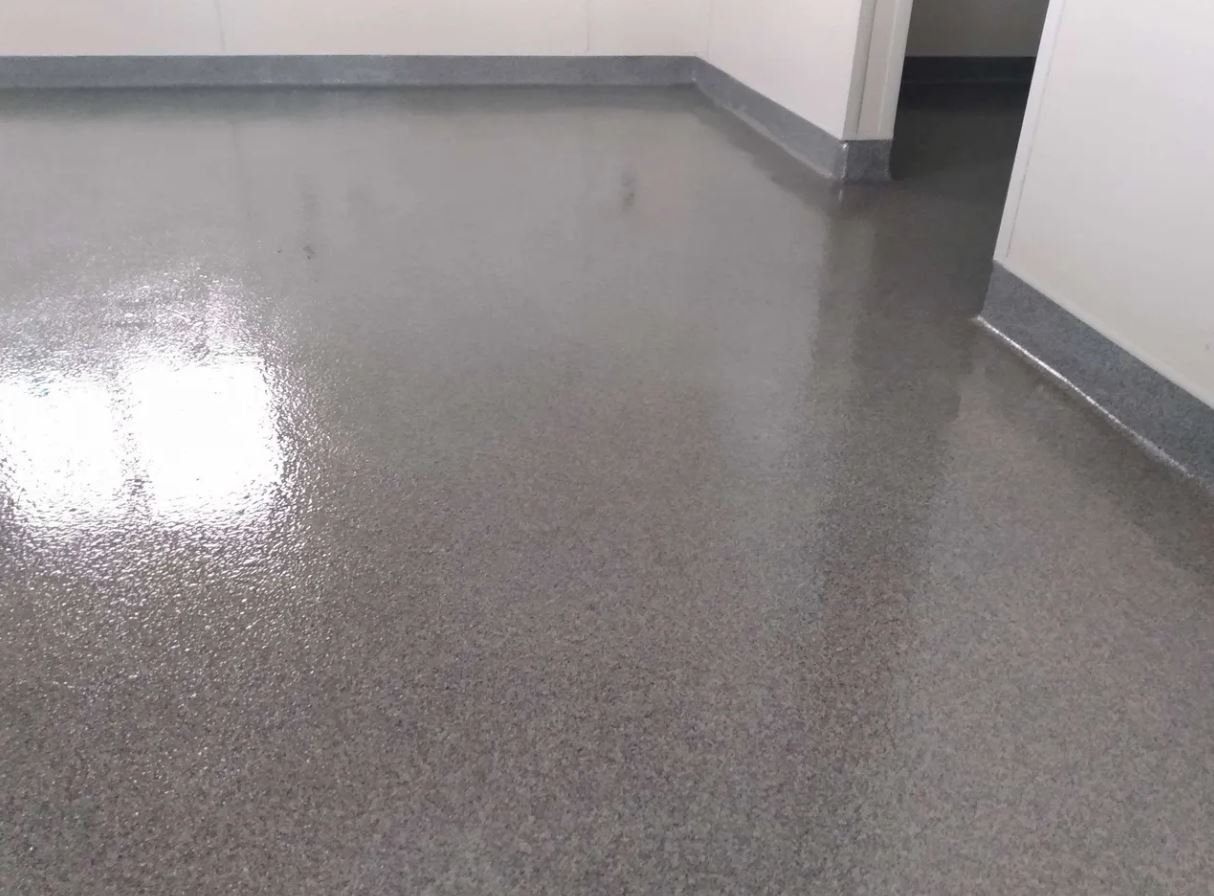
The key is doing it right. Uneven grinding means imperfections in the finish. Skipping the densifier weakens the concrete and makes it less stain-resistant. So, don't cut corners!
Abrasives and equipment matter when polishing concrete. It's more than just using any tool on the floor. You need the right diamonds. Grit size matters a lot. Coarse grits grind down the rough spots and level the floor. Then, finer grits hone the surface, making it smooth.
It's like sanding wood, but with diamonds and concrete. Also, there's a big difference between a small handheld grinder for a bathroom and a massive planetary grinder for a warehouse.
Polishing compounds also help refine the surface and bring out the shine. Plus, densifiers harden the concrete, make it less dusty, and increase durability. It’s about building up layers. If you skip a step or use the wrong grit, you’ll see it in the final result. Don't go cheap on the tooling; it'll show.
Smaller machines might work for homes. Showrooms or warehouses need serious industrial-grade equipment. Don't forget the sealer. That's the final touch for dust control and that extra shine.
Before grinding or honing concrete, proper surface preparation is essential. Crack repair, patching holes, and leveling uneven spots are key. Think of it like prepping a wall before painting: you patch holes first.
First, fill cracks. Ignoring them invites moisture and further damage. Use concrete crack fillers, but clean the crack well first to ensure proper bonding.
Next, patch gouges or divots with concrete. Clean the area first. Feather the patch edges to blend it with the concrete. This prevents a visible, poor-looking patch after grinding and honing.
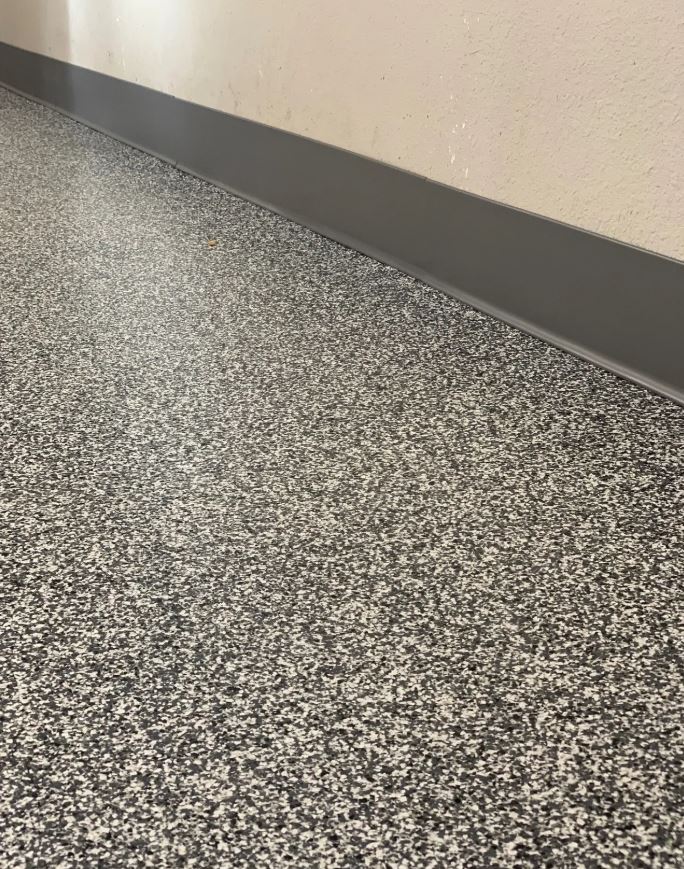
Leveling is important, especially for old floors. Self-leveling concrete works well. Pour it out, and it spreads to create a level surface. Follow the directions closely.
Finally, clean. Scrub with a concrete cleaner to remove dirt, grease, or old coatings that could interfere with grinding and honing. A pressure washer can help, but be careful not to damage the concrete. Skipping steps leads to a floor that looks bad and doesn't last. Doing it right saves effort later.
Polished concrete doesn't have to be plain gray. You can customize it with different colors and stains.
For example, you can add color to the concrete mix before pouring. This gives a consistent color throughout the slab. It works if you want a solid, uniform look.
Concrete dyes are another option. These are water or solvent-based and go into the concrete surface. Dyes come in many colors, and you can mix them to create custom shades. Dyes create a translucent look, letting the concrete's natural variations show.
Reactive stains, also called acid stains, are another choice. These react with the concrete, creating unique color effects. The colors are usually earth tones, like browns, tans, and greens, and the results are durable. The final color varies depending on the concrete, which is part of the appeal.
In Denver, people use these coloring methods in many ways. Homeowners use colors to match their decor, and businesses use dyes to create showroom floors. Reactive stains add a rustic look to restaurants and lofts. The possibilities are endless.
Sealing polished concrete matters a lot. Here is why: It keeps your floor attractive and increases its lifespan. You grind, hone, and maybe stain. Now, protect that work.
A good sealant does several things. First, it makes the floor more stain-resistant. Imagine oil dropping in your garage. Without a sealant, it soaks in. With a sealant, you wipe it up.
Second, sealants add to the floor's toughness. Polished concrete is already tough, but a sealant adds armor against scratches and wear.
There are different sealants. Some use water, and some use solvents. Some use acrylic, and some use epoxy. The best choice depends on the floor's use and location. Your contractor can help you pick one.
Next steps: Application matters. Don’t slop it on. Use a sprayer or microfiber applicator to get even coverage. Too much makes it sticky. Too little means less protection.
Finally, maintenance. Even with a sealant, clean your polished concrete often. Use a neutral cleaner and avoid harsh chemicals. Every few years, reapply the sealant to keep the protection strong. If you skip sealing, the floor will stain easily, wear faster, and look worse over time.
Maintaining polished concrete is simple, but you must give it attention. Think of it like a good car: regular care keeps it looking good and running well for years.
For cleaning, use neutral pH cleaners. Avoid harsh chemicals. They can dull the finish, and you don't want that. Regular sweeping or dust mopping is also key. Remove grit and debris before it gets ground in.
Stain prevention matters. Sealers help here. They create a barrier that gives you time to wipe up spills before they soak in and cause problems. Think of it as floor insurance. Clean spills quickly. Don't let that red wine sit overnight!
How often should you re-polish? It depends on foot traffic. A busy showroom might need it every year or two. A home floor might need it every three to five years. You'll see the shine fade, or light scratches appear. That's your sign. Re-polishing brings back the original shine and protects the concrete. If you skip it, the floor will look dull faster. Also, it costs less to re-polish than to restore a neglected floor.
Let's examine the real cost of polished concrete versus other flooring. When you shop for floors, it's easy to focus on the initial price. But what about the long term? That’s where polished concrete excels, especially here in Denver.
Consider epoxy flooring. It can look good at first, but it scratches. You must repair it often, and that adds up. Tile? Grout gets nasty, tiles crack, and replacement is a pain. Hardwood? It's nice, but Denver's dry climate can harm it. You'll deal with warping and refinishing, which is costly.
Polished concrete is very tough. It resists wear well. Also, it's easy to clean. Just sweep and mop. No treatments or cleaners are needed. That means lower maintenance costs.
Also, think about sustainability. Concrete is already in most buildings, so you don't use new resources to install a floor. Polishing it is an earth-friendly choice. The upfront cost might compare to some options, but when you factor in how long it lasts, low maintenance, and environmental benefits, polished concrete is often the smartest, most cost-effective choice for Denver homes and businesses.
Let's discuss polished concrete in Denver. We've completed many projects here, and seeing is believing, right? We transform regular concrete floors into smooth, durable, and attractive surfaces.
Consider a basement. We've changed dull, gray basement floors into modern, easy-to-clean surfaces. Imagine no more dusty, musty smells. Just a sleek, polished floor reflects light and makes the space feel bigger. We start by grinding the concrete. That’s how we level it and remove imperfections. Then we hone it, using finer materials to make it smooth.
What about commercial spaces? Big change. We worked on a retail space on South Broadway that had carpet. We ground it down, polished it, and now it has a modern, industrial look that the client loves. They said it’s easier to maintain, and customers comment on how great it looks. We even applied a densifier to harden the concrete and a sealer to keep dust down and add shine.
We've got before-and-after photos to show the change. Project details, too, show what went into each job. And testimonials? Many happy customers are thrilled with their low-maintenance, great-looking concrete floors. It’s not just about looks. Polished concrete is tough. It can handle heavy foot traffic and spills. It’s an investment that pays off.
Thinking about polished concrete and need someone to do the work in Denver? Good plan. But don't just pick the first name you see. This isn't just hiring someone for basic work. You need a real professional.
Experience counts. Find a contractor who has done concrete grinding and honing for a while. Ask about similar jobs they've done. Ask for photos or addresses where you can see their work.
Certifications are a plus. It shows they learned good methods. It means they care about their work.
What about insurance? It's a must. They need liability coverage and workers' compensation. This protects you if something happens on the job – someone gets hurt or something gets damaged. Don't miss this!
Last, check references. Speak to past clients. How was their experience with the contractor? Were they happy with the work? Was the project on time and within budget? Did the contractor communicate well? These things matter. A good contractor will share references. If they don't, that's a bad sign.
Moisture content within the concrete slab significantly impacts the grinding and honing process. High moisture levels can lead to issues such as dusting or uneven polishing. Prior to commencing work, moisture testing should be performed to ensure compliance with project specifications. Proper moisture mitigation strategies may be necessary.
Concrete grinding and honing projects adhere to established surface profile standards, ensuring uniformity and desired roughness. These standards, often measured using instruments like surface comparators, dictate the texture achieved. Meeting specified surface profiles is crucial for subsequent coatings or treatments to properly bond with the concrete.
Achieving optimal results in concrete grinding and honing requires careful selection of abrasive tools. Diamond grinding pads of varying grits are used progressively to refine the surface. Technicians must employ proper grinding techniques, including consistent pressure and overlapping passes, to avoid unevenness or damage.
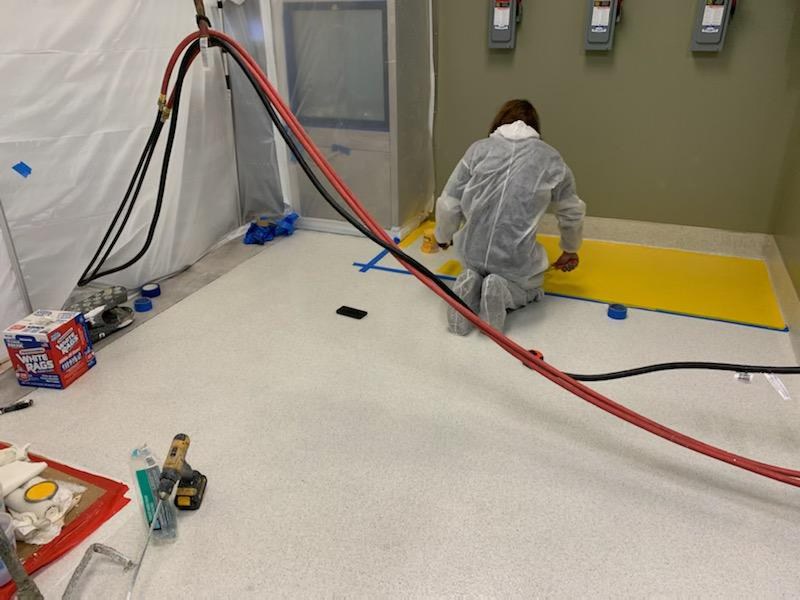
Polished concrete has drawbacks. One thing people mention is noise. Hard surfaces reflect sound, so a big open space with polished concrete can get echo-y. Rugs, furniture, or acoustic panels can soak up some sound. Consider the location.
Also, it’s hard. It’s concrete! That's usually good, but it can be tiring to stand on all day. It might not be the best choice for a kitchen where you spend hours cooking. Area rugs or padded mats can help.
Cracking is another worry. Concrete cracks. The grinding and polishing won't cause new cracks, but it can highlight existing ones. A good contractor will assess the slab before starting. They can discuss options like crack filling or decorative saw cuts to control where future cracks might appear. Manage expectations and be proactive. The densifying process helps make the concrete stronger and more resistant to damage, which can help prevent cracking.
Weigh the pros and cons. Polished concrete is durable and looks good. If you understand these potential drawbacks, you can plan and end up with a floor you're happy with.
Let's examine where concrete grinding and polishing are headed. It's more than making floors shiny. We see some cool things appear.
Self-healing concrete is one. Imagine concrete that can repair its cracks. This material uses bacteria that produce limestone to fill fissures. It's still new, but it could extend the life of concrete floors and cut down on maintenance.
Sustainability is another focus. People want green options. That means using recycled materials in the concrete mix, reducing water use during grinding and polishing, and using dust collection systems to lessen environmental effects. It's about doing the job right without harming the planet.
Equipment is also changing. Tooling and equipment are evolving. We see more powerful grinders and better diamond tooling for faster material removal. These advances improve output and create consistent results. Plus, better dust control systems make the job site cleaner and safer. It's a win-win.
Concrete grinding and honing: What's the big deal? It's how you get that super smooth, reflective concrete floor. These floors look amazing in homes, showrooms, and even warehouses. We're talking about taking regular concrete and making it something special.
The process involves grinding down the surface, then honing it to refine the texture. After that, densifying the concrete hardens it. This makes it more durable. Finally, a sealer gets applied. This helps with dust control and adds to the shine. The result? A low-maintenance, industrial-grade floor shows off the natural beauty of the concrete.
Why is this good for Denver properties? Our weather is tough on floors. Polished concrete stands up to heavy foot traffic, resists stains, and is easy to clean. It's a great choice for homeowners tired of carpets or tiles, or for businesses that need a durable, attractive floor. Plus, it looks fantastic.
If you skip the densifying or use the wrong sealer, you could end up with a floor that's not as durable or shiny. It’s worth doing it right.
Ready to explore polished concrete for your Denver home or business? Contact us today for a consultation. Let's discuss how we can change your floors.